Bringing the Science Lab Into Virtual Reality
A VR laboratory simulation that lets students perform real experiments safely — no costly reagents, no hazardous materials, no live animals.
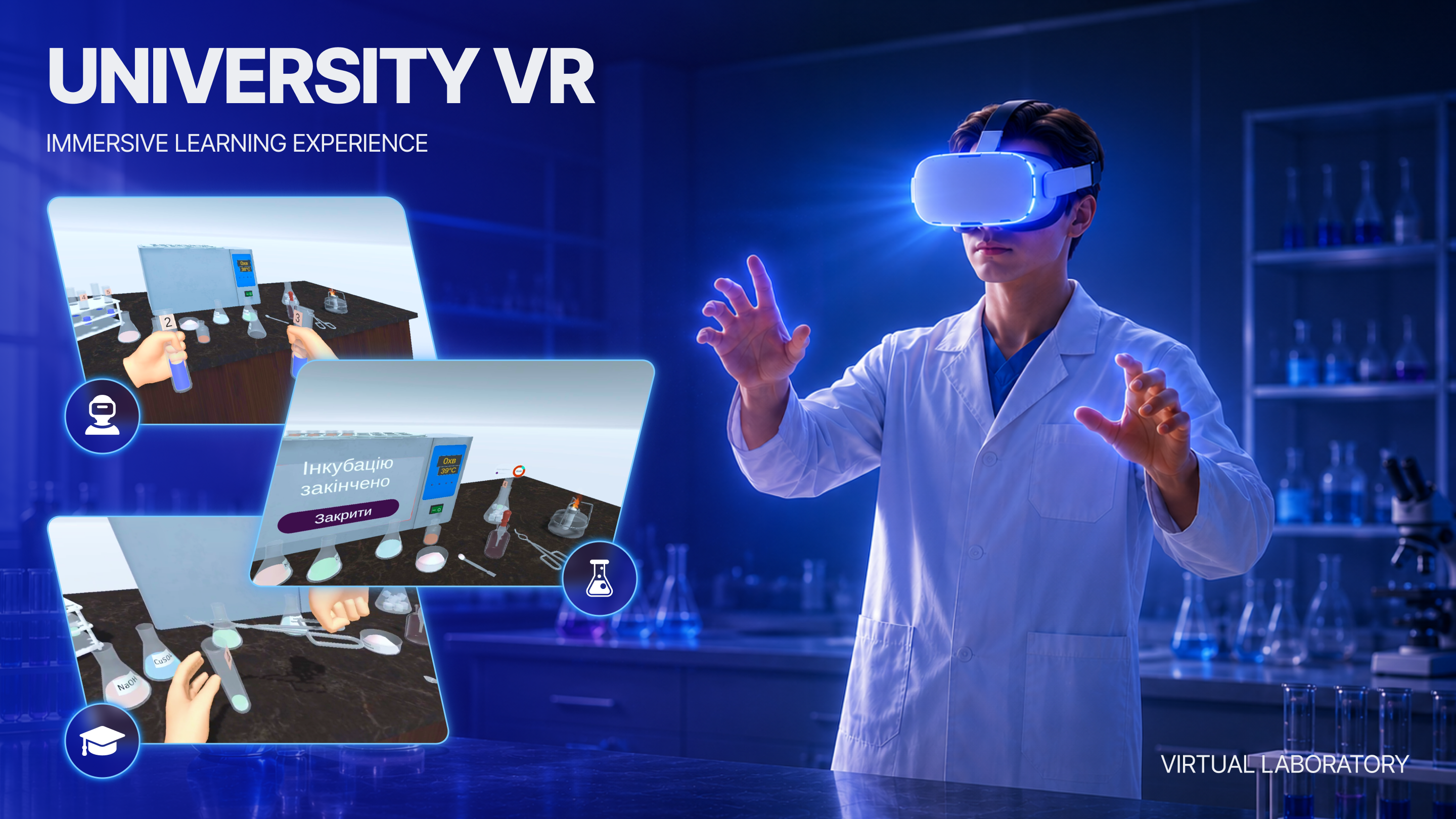
Business Need
Odessa State Agrarian University wanted to modernize how students do practical lab work. Real laboratory exercises are expensive and difficult to run at scale: reagents cost money to buy and store, some are toxic and need special handling, and new regulations restricted the use of live animals in student labs. The university needed a safe, repeatable, low-cost way for students to practice real experimental procedures without those constraints.
Result
We built a virtual-reality laboratory in which students carry out a real experiment from start to finish, following the exact sequence a professor defines. Working in VR, they handle test tubes, pipettes, reagents and lab equipment with their own hands, run timed processes, and complete the procedure step by step — with the simulation tracking mistakes along the way. The result is a hands-on lab experience that costs nothing per run, never runs out of materials, and removes every physical hazard. The MVP was demonstrated to the university's leadership and showcased as a national education initiative.
Real Labs Are Expensive, Hazardous, and Hard to Scale
Practical lab work is essential to a science education, but it comes with real-world friction. Reagents have to be purchased again and again, and many require careful, costly storage — some are toxic and demand special conditions. On top of that, new regulations limited the use of live animals in student laboratory work, removing a method the university had long relied on.
Odessa State Agrarian University wanted a way to give students the same hands-on experience without the recurring cost, the safety risk, or the regulatory constraints. The goal wasn't a video or a slideshow — it was a real procedure students could perform themselves, as many times as they needed, until they got it right.
Key items:
- Reagents are expensive to buy and to store repeatedly
- Some materials are toxic and need special handling
- New rules restricted the use of live animals in labs
- Hard to give every student unlimited hands-on practice
A Real Procedure, Performed by Hand in VR
We built the laboratory in Unity for VR headsets, designed so students follow the exact experimental flow a professor defines and can only progress by doing each step correctly. Inside the simulation, students pick up and place equipment with natural hand interactions, number and arrange test tubes, draw and dispense liquids with a pipette, add reagents in the right amounts, and run heat-and-incubate stages on a timer — the same sequence they'd follow at a real bench.
The hardest part was making the experience feel physically real. We used the XR Interaction Toolkit for precise, intuitive object handling and Obi Fluid to simulate liquids — drawing reagent into a pipette, dispensing measured drops, mixing — so the lab behaves the way students expect. A checkpoint system lets them resume mid-procedure, and the simulation tracks mistakes throughout, opening the door to objective, automatic assessment of how well each student performed.
Built for Real Headsets and Real Demos
The application was built and packaged for standalone VR hardware (Oculus / Meta Quest), so it runs without a tethered PC and can be handed to a student with just a headset. That portability mattered: the MVP was taken out of the lab and into live demonstrations — shown to the university's Rector and leadership, and presented at a university open day — where people could put on a headset and run the experiment themselves. The project was positioned as a national education initiative, with plans to present it to the Ukrainian Ministry of Education.
From One Lab to a Scalable Platform
The MVP proved the core idea: a complex, rule-bound laboratory procedure can be reproduced in VR convincingly enough to teach and to assess. Because the flow is defined by the professor and the system already tracks errors, the same foundation can grow into a library of lab exercises with built-in, checkpoint-free scoring — turning subjective grading into consistent, automatic feedback.
For the university, it's a path to teaching practical science at a fraction of the recurring cost, with no safety risk and no material limits, and to offering students unlimited repetition until they master each procedure. The project completed its MVP phase successfully, with the university planning the next steps.
$0
Per-run material cost once built
Unlimited
Repetitions per student, no reagents consumed
Standalone
VR No tethered PC required (Oculus / Quest)
Gallery


Build a High-Conversion
3D Experience for Your Brand
Let's design a configurator that increases engagement and drives measurable growth.
Recent Experiments
Exploring the future of interactive commerce and WebGL experiences.
Simplio
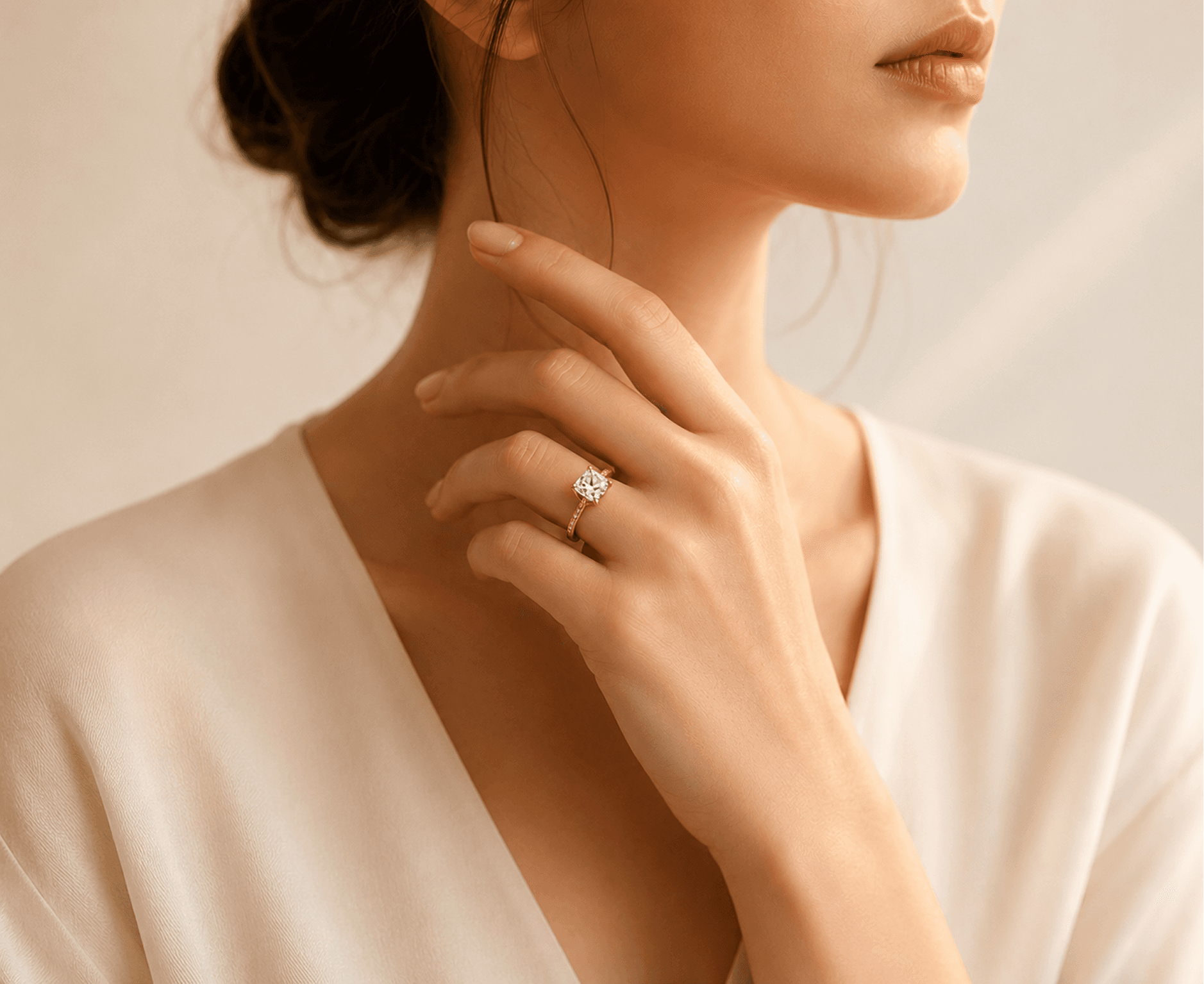
Jewelry Configurator
Thermogreen
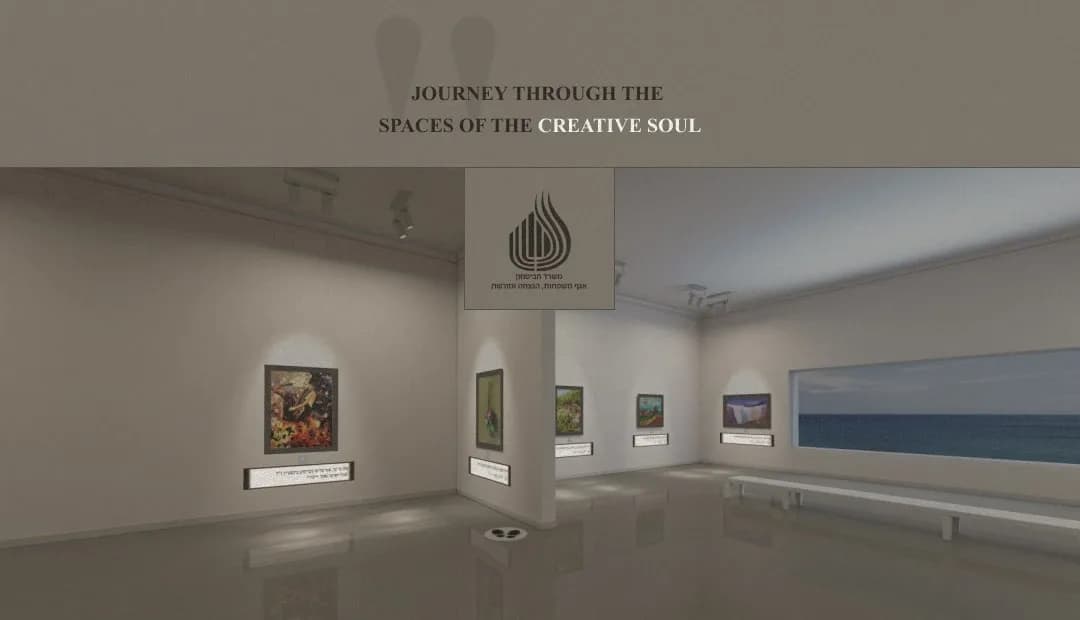
Virtual Museum
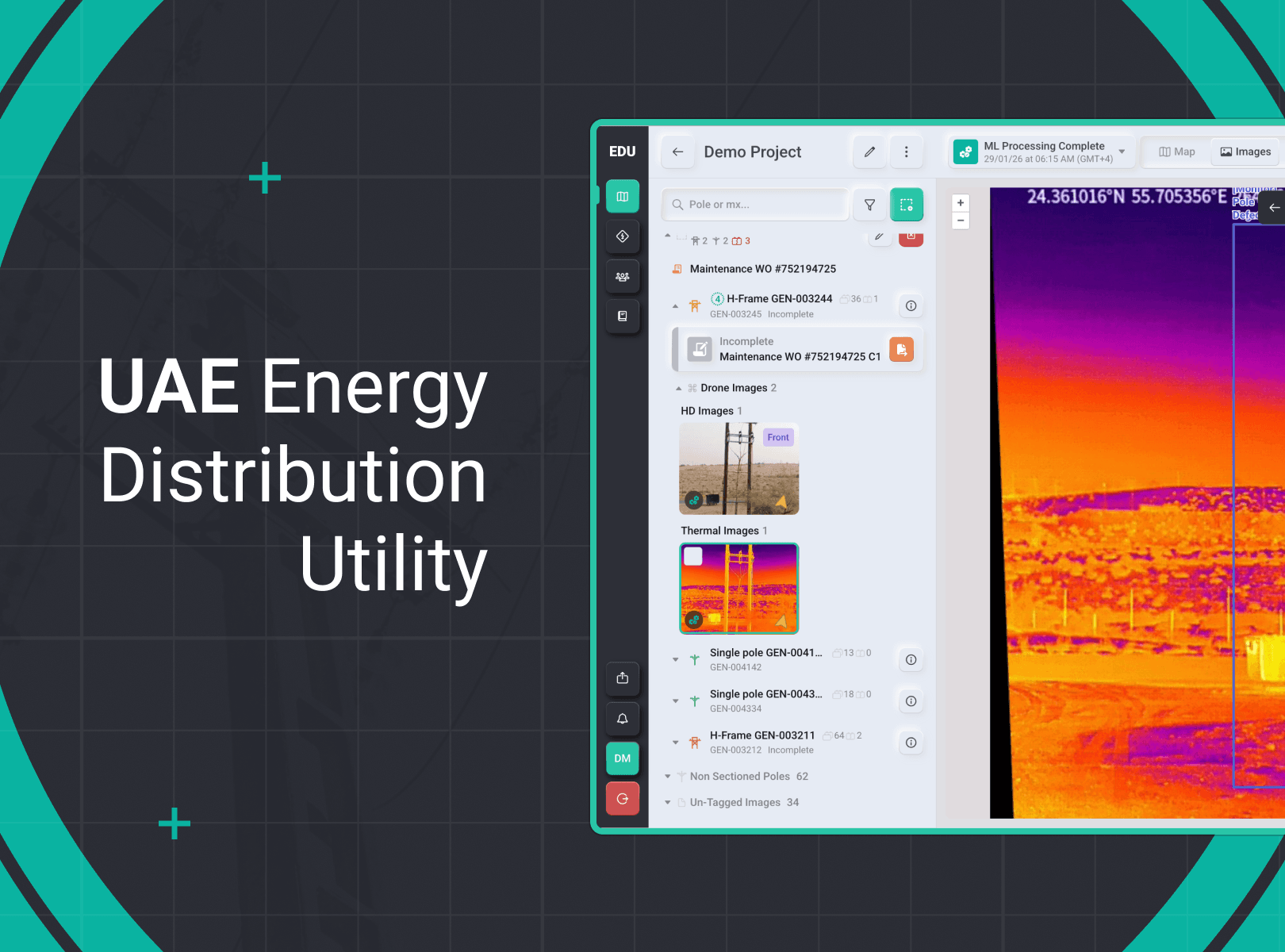
UAE Energy Distribution Utility